
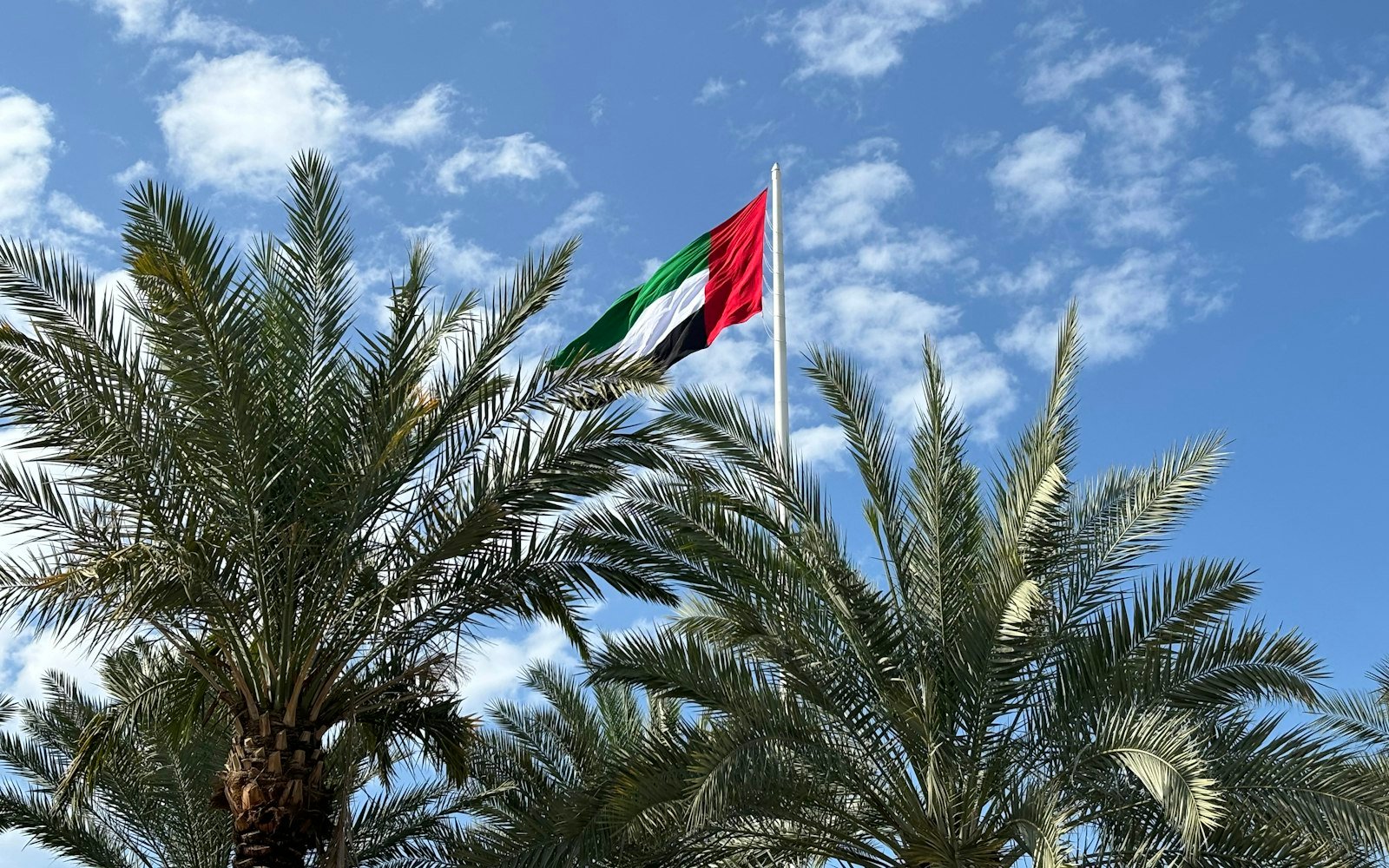
UAE Flag Day fell on Tuesday, 3 November 2026. Government entities, schools and businesses across the seven emirates raised the national flag at 11am, according to Gulf News, which also noted that the day is not a public holiday. The flag itself was first raised on 2 December 1971, when the federation was established.
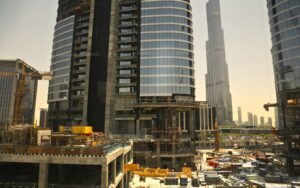
For property buyers, the occasion offers a useful perspective. Dubai’s skyline is the visible part of its real estate story, but the more important growth has been institutional: the laws, registers and data that allow a foreign owner to buy, finance, lease and sell with confidence. Understanding that foundation helps buyers judge today’s market more calmly than headline cycles allow.
From a closed market to registered freehold
For much of the UAE’s early history, residential ownership by foreigners in Dubai was not available in the way it is today. The opening of freehold areas in the early 2000s changed that, and Dubai’s real estate legislation, compiled by the Dubai Land Department, shows how the framework was then formalised.
Law No. 7 of 2006 on real property registration established the register and permitted foreign ownership in designated areas. That combination of a recognised title and defined zones is what made Dubai investable for international buyers. A title deed issued by a government register gives an owner something verifiable, transferable and capable of supporting a mortgage.
The practical lesson is unchanged: buy what can be registered and verified. A modern buyer can check title, project status and approved charges through official services rather than relying on a seller’s assurance.
Protecting off-plan buyers: escrow and the interim register
The first boom exposed the risks of selling homes before they were built. Dubai responded with Law No. 8 of 2007 on escrow accounts for real estate development and Law No. 13 of 2008, which created the interim register for off-plan units and tied valid dispositions to registration.
These reforms did not remove market risk, and the correction that followed the global financial crisis was severe. They did change the structure of off-plan buying. Payments go into project escrow accounts, projects are registered and buyers can follow progress through the DLD project status service.
That is why today’s off-plan due diligence starts with registration and escrow rather than a launch brochure. The protections are meaningful, but they work best for buyers who actually use them.
Communities, service charges and the owner’s voice
As towers filled with owners, Dubai needed rules for shared buildings. Law No. 6 of 2019 on jointly owned property sets out how service charges, reserves and owners’ associations operate, and the DLD Service Charge Index publishes approved budgets by project and year.
This matters to value. A building with transparent budgets, adequate reserves and active management is easier to live in, lease and sell. Buyers who once focused only on price per square foot now ask about maintenance, sinking funds and arrears.
Residency, records and a broader buyer base
Long-term residency linked to investment widened Dubai’s buyer pool. Property worth at least AED 2 million can support a Golden Visa application, subject to the authority’s conditions, as the DLD Golden Visa investor service sets out. Many buyers now treat Dubai as a place to live rather than only somewhere to invest.
Activity grew accordingly. The Government of Dubai Media Office reported total real estate transactions of AED 917 billion in 2025, up 20% on the previous year, with about 193,100 investors, of whom around 129,600 were new to the market. Those are activity figures, not price changes, but they show the scale the market has reached.
Where the market stands in late 2026
The latest evidence shows a more selective phase. Emirates 24|7 reported January to September 2026 transactions of AED 574.12 billion, still the second-highest nine-month sales value on record by its measure. ValuStrat’s August 2026 index, summarised by Khaleej Times, recorded citywide values 0.2% lower month on month and 3.1% lower year on year, with apartments down 5.3% and villas down 1.7% annually.
| Indicator | Reported figure | Source and period |
|---|---|---|
| Total transactions, 2025 | AED 917 billion | Dubai Media Office, full year 2025 |
| Total transactions, Jan–Sep 2026 | AED 574.12 billion | Emirates 24|7, nine months 2026 |
| Citywide values, year on year | -3.1% | ValuStrat VPI, August 2026 |
| Share of apartment communities holding steady | 61% | ValuStrat VPI, August 2026 |
The picture is neither boom nor collapse. Transaction activity remains high by historical standards while values have eased in parts of the market, particularly some prime apartment communities. For buyers, that combination usually rewards preparation and negotiation more than urgency.
Trends shaping the next chapter
Several developments are worth watching. The Dubai Real Estate Sector Strategy 2033 targets a 70% increase in transactions and a 33% home-ownership rate, signalling continued policy focus on owner-occupiers as well as investors. DLD’s tokenisation initiative entered a secondary-trading phase in February 2026, linking fractional tokens to registered title.
Infrastructure continues to reshape journeys, from the Etihad Rail passenger network to the planned Metro Blue Line. Supply also matters: a large pipeline of off-plan homes will be delivered over the coming years, which can widen tenant choice and test rents in some communities.
None of these trends guarantees a particular result for an individual home. They are reasons to examine location, building quality and timing carefully, not substitutes for that work.
What a maturing market asks of buyers
A younger market rewarded speed: buy early, sell before handover, repeat. A more mature market rewards evidence. Buyers now have access to transaction data, approved service-charge budgets, project-progress records and rental indices that did not exist two decades ago. Using them is the clearest advantage an informed buyer has over one relying on marketing.
In practice, that means pricing a home from completed comparable sales through DLD’s real estate data, checking the building’s approved charges and reserve position, and reading an off-plan contract’s delay and resale provisions before reserving. It also means distinguishing citywide headlines from the performance of a particular community. In the same August index that showed modest citywide declines, some villa communities rose by more than 5% while some prime apartment areas fell by double digits.
Holding period matters too. Transaction costs, including the 4% DLD fee, make short holding periods harder to justify unless prices are rising quickly. A buyer planning to live in a home for several years, or to hold an investment through more than one cycle, is better placed to absorb periods of softer values. The market’s institutions make long-term ownership safer; they do not remove the cost of trading in and out.
To apply this context to an actual purchase, compare current Dubai properties with your budget and holding period. Our foreign-buyer guide explains the registration and transfer steps that grew out of this history.
Frequently asked questions
When was UAE Flag Day 2026?
Tuesday, 3 November 2026. Flag-raising ceremonies took place at 11am across the country. It is a national occasion, not an official public holiday.
When could foreigners first own property in Dubai?
Freehold areas opened to foreign buyers in the early 2000s, and Law No. 7 of 2006 formalised registration and foreign ownership in designated areas. Always confirm that a specific property is in an eligible area.
Are Dubai property prices falling in 2026?
ValuStrat’s August index shows citywide values down 3.1% year on year, with significant variation by community. Some areas rose while others fell. Judge an individual home on comparable transactions rather than a citywide average.
What protects off-plan buyers today?
Project registration, escrow accounts and the interim register under Dubai law, plus DLD’s project-status information. These reduce certain risks but do not guarantee delivery dates or investment returns.
Is Dubai still attracting new investors?
Official 2025 figures show about 129,600 new investors in a record year. Activity in 2026 remains substantial, though sales value is lower than in 2025 by several measures.
Conclusion: the institutions are the real growth story
Dubai’s property market has grown alongside the nation not only in size, but in rules, records and transparency. Those foundations are what allow today’s buyer to verify a title, protect an off-plan payment and compare evidence before committing.
Contact Nova Domus to discuss how today’s market conditions apply to your plans. We can help you build a shortlist grounded in verified records rather than headlines.