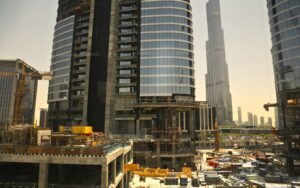

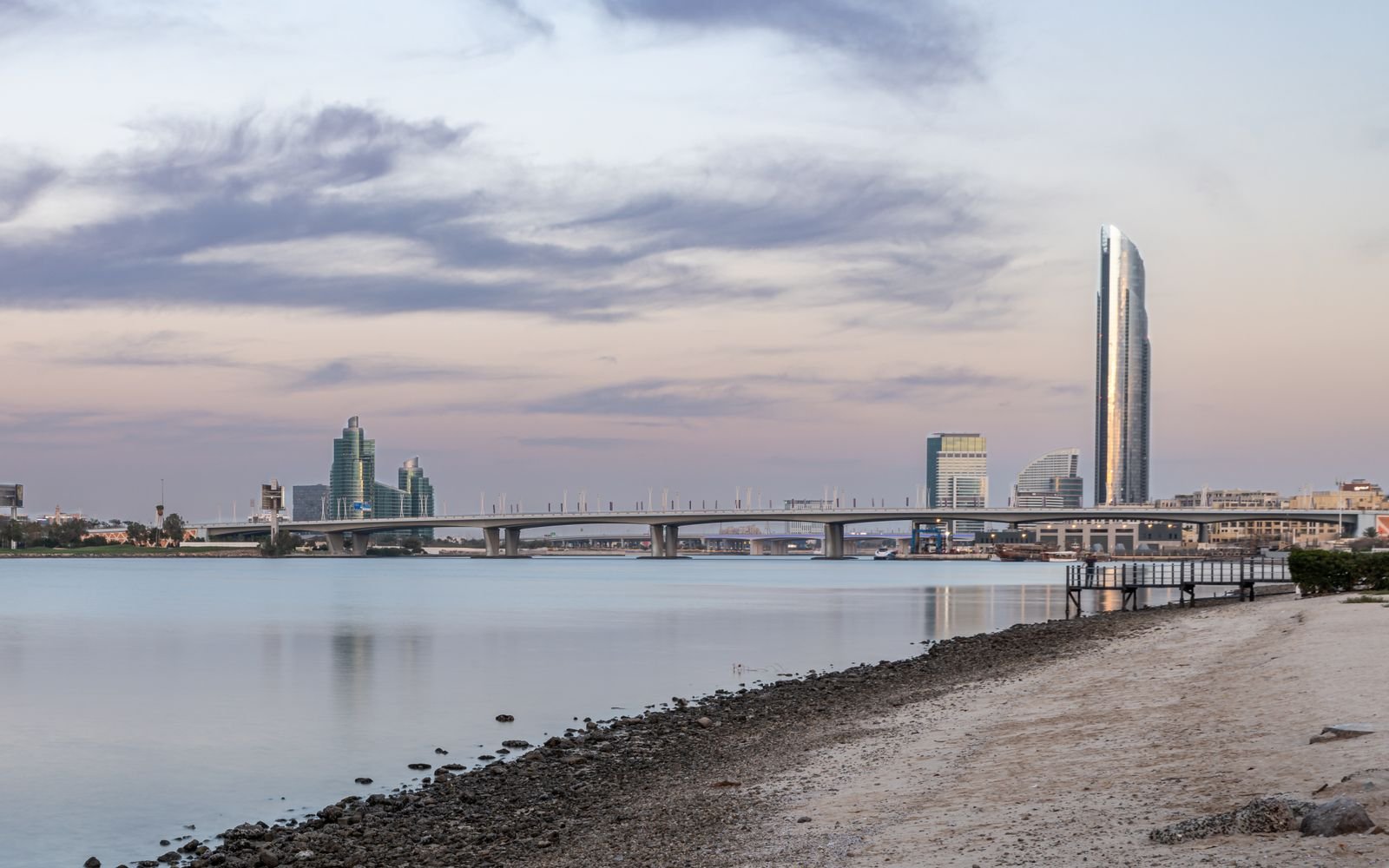
Dubai Healthcare City and Al Jaddaf deserve attention from buyers who want access to central Dubai without choosing solely from its best-known luxury addresses. Their appeal combines employment destinations, transport connections, waterfront pockets and a varied residential offer. However, “near Downtown” is not the same as living in Downtown, and “affordable” cannot be established from a neighbourhood name.
The useful question is more specific: can a particular apartment deliver the space, travel convenience and ongoing costs you need at a sensible total price? This guide explains how to compare the areas, where marketing descriptions can confuse buyers and which checks matter most before committing.
First, understand the geography
Dubai Healthcare City is a healthcare-focused district with a separate Phase 2 expansion in Al Jaddaf. That relationship does not make every Al Jaddaf home part of the same development, nor does a Healthcare City reference prove that a property sits beside the Metro station bearing that name.
DHCC’s official Phase 2 investment material describes a mix of healthcare, wellness, residential, retail, hospitality and leisure uses. Its development guidelines show two parcels separated by Al Khail Road. This is an important practical detail: a destination that looks close across a map may require a less direct journey on foot or by car.
Al Jaddaf also includes different waterfront and inland settings. Ask for the actual pin, plot and registered project name. A district label is useful for opening a search; it is too broad to finish one.
Distinguish an existing facility from a master-plan intention. A proposed walkway or wellness destination may add future interest, but your first year of ownership will depend on what has actually opened.
Test central access using your real journey
The RTA rail map lists Dubai Healthcare City, Al Jadaf and Creek on the Green Line. Downtown’s Burj Khalifa/Dubai Mall station is on the Red Line. RTA’s timetable and interchange information identifies BurJuman and Union as interchanges between those lines.
That makes the Metro useful, but it does not justify describing every Al Jaddaf apartment as a direct, short Metro journey to Downtown. Include the walk to the station, waiting, interchange and final walk to the workplace. A hospital shift, school run and office commute may each produce a different location preference.
Drive the route at the times you expect to use it. Check the entrance ramp, visitor parking, taxi pickup and the direction of road access. A building with an attractive map position can feel less convenient when a routine trip requires a long turnaround.
For an investment, repeat the exercise for the tenant you expect to attract. A home near a healthcare employer may suit a professional working unusual hours, but that hypothesis needs evidence from actual enquiries and comparable tenancies.
Measure affordability properly
Do not compare a small studio’s asking price with a larger Downtown one-bedroom and conclude that one district offers better value. Match property type, internal area, condition, tenure, outlook, parking and completion status. Separate advertised prices from registered transactions and completed deals.
DLD’s real-estate open-data resources are a starting point for transaction research. The selection and interpretation still matter: an off-plan registration, a bulk transaction and an individual ready-home resale may not be comparable observations.
Use the following framework to build a shortlist rather than relying on one headline price.
| Comparison | What it helps reveal |
|---|---|
| Total acquisition budget | Whether the price leaves room for transaction and finance costs |
| Usable internal area | Whether the layout fits furniture and daily life |
| Annual ownership expenses | Whether lower entry cost survives recurring charges |
| Achievable rent and vacancy | Whether an investment case is supported by comparable demand |
| Condition and nearby works | Whether repairs, noise or disruption change the value proposition |
| Resale alternatives | What a future buyer could purchase instead |
No current district-wide price range is asserted here because an unsupported range would create false precision. For a live decision, ask for dated evidence for the exact buildings and unit types being considered.
Waterfront culture can add everyday value
Jaddaf Waterfront offers more than a skyline photograph. Jameel Arts Centre identifies its location between Business Bay Bridge and Garhoud Bridge on the Bur Dubai side of the Creek, and describes the centre as open-access and free to visit. That is a tangible local amenity rather than a promised future attraction.
For some residents, an accessible cultural venue and waterfront setting may matter more than being beside a shopping mall. For others, a larger supermarket, convenient school route or quiet bedroom is the decisive feature. An amenity’s value depends on whether you will use it.
Walk from the specific apartment entrance to the destination. The arts centre’s own approximate walking guidance from Al Jaddaf Metro is not a walking-time guarantee for every nearby building. Check pavements, crossings, shade and the return journey after dark.
Assess the view with equal care. Identify what is open land, what is a road corridor and what may be a future development plot. A premium for an uninterrupted outlook should be supported by the physical and planning context, not a photograph taken from a higher floor elsewhere.
Inspect the apartment and its operating costs
Start inside: room dimensions, storage, natural light, ventilation, balcony usability and privacy. Stand quietly in the bedrooms. Listen for traffic, equipment and neighbouring activity. Check lift capacity, parking allocation and the route from parking to the home, particularly if mobility or a pushchair is relevant.
Request the current service-charge statement and verify the relevant approved budget through the DLD Service Charge Index. Ask about arrears, pending works and how cooling and other utilities are charged. A purchase comparison that ignores these costs is incomplete.
For a ready property, an independent condition inspection can identify issues beyond a normal viewing. For a tenanted unit, review the lease, deposit position and actual income rather than the seller’s suggested future rent. For off-plan, examine the registered project status, specifications, completion provisions and payment schedule.
Building execution can outweigh a district’s broader appeal. A well-run property with a practical layout may be easier to own than a more dramatic building whose operating arrangements are unclear.
Who should shortlist these areas?
An owner-occupier might shortlist Al Jaddaf or Healthcare City for a particular workplace, family connection or preference for central access. A landlord might explore demand from professionals who value those same features. Neither case should be reduced to “hospital nearby, therefore guaranteed tenant.”
Ask who the apartment competes with. If the intended tenant has a fixed budget, alternatives may include a smaller unit closer to work, an older apartment with more space or a newer home farther out. Your proposed rent must make sense within that choice set.
An investor should model a conservative operating year, including service charges, management, maintenance and a vacancy allowance. Compare cash flow before and after financing. Then test whether the investment still works if a tenant takes longer to find or a competing development offers incentives.
Families should test school transport, childcare, groceries and outdoor space individually. Proximity to healthcare is useful but does not answer those daily-life questions. Retirees or buyers planning extended stays may place more weight on accessibility, quietness and reliable building services than on advertised lifestyle branding.
Compare currently available properties by their exact location and ownership documents. Use the foreign-buyer guide to prepare the next-stage questions before relying on an area description or marketing label.
Frequently asked questions
1. Is Al Jaddaf the same as Dubai Healthcare City?
No. Healthcare City’s Phase 2 is in Al Jaddaf, but the names are not interchangeable for every property. Confirm the project, plot and actual location before comparing listings or assuming the same facilities and transport access.
2. Is Al Jaddaf cheaper than Downtown Dubai?
It may offer suitable alternatives at a different total budget, but the answer requires matched, dated property evidence. Compare equivalent size, condition, ownership rights and recurring costs. A smaller unit at a lower total price is not automatically better value.
3. Can I reach Downtown using the Metro?
The local Green Line stations connect with the Red Line at designated interchanges. Plan the full door-to-door trip using RTA information. Do not mistake a nearby station for a direct route to every Downtown destination.
4. Does the area suit rental investment?
Potentially, when the apartment matches a credible tenant profile and the price supports conservative net cash flow. Employment destinations and transport are useful considerations, but neither proves an achievable rent, occupancy level or future capital gain.
5. What is the biggest viewing mistake?
Judging the address without testing the building and route. Walk the actual journey, inspect the apartment’s condition and obtain expense records. The practical difference between two buildings can be more important than their shared neighbourhood description.
Buy the specific advantages you can verify
Healthcare City and Al Jaddaf are worth considering when central access, healthcare destinations or Creek-side surroundings fit your priorities. The best opportunity is the unit whose advantages remain convincing after transport, condition and operating costs are checked.
Explore Nova Domus properties or contact the team with your budget and regular destinations. A focused shortlist can then compare the exact homes that suit your life or investment plan.