

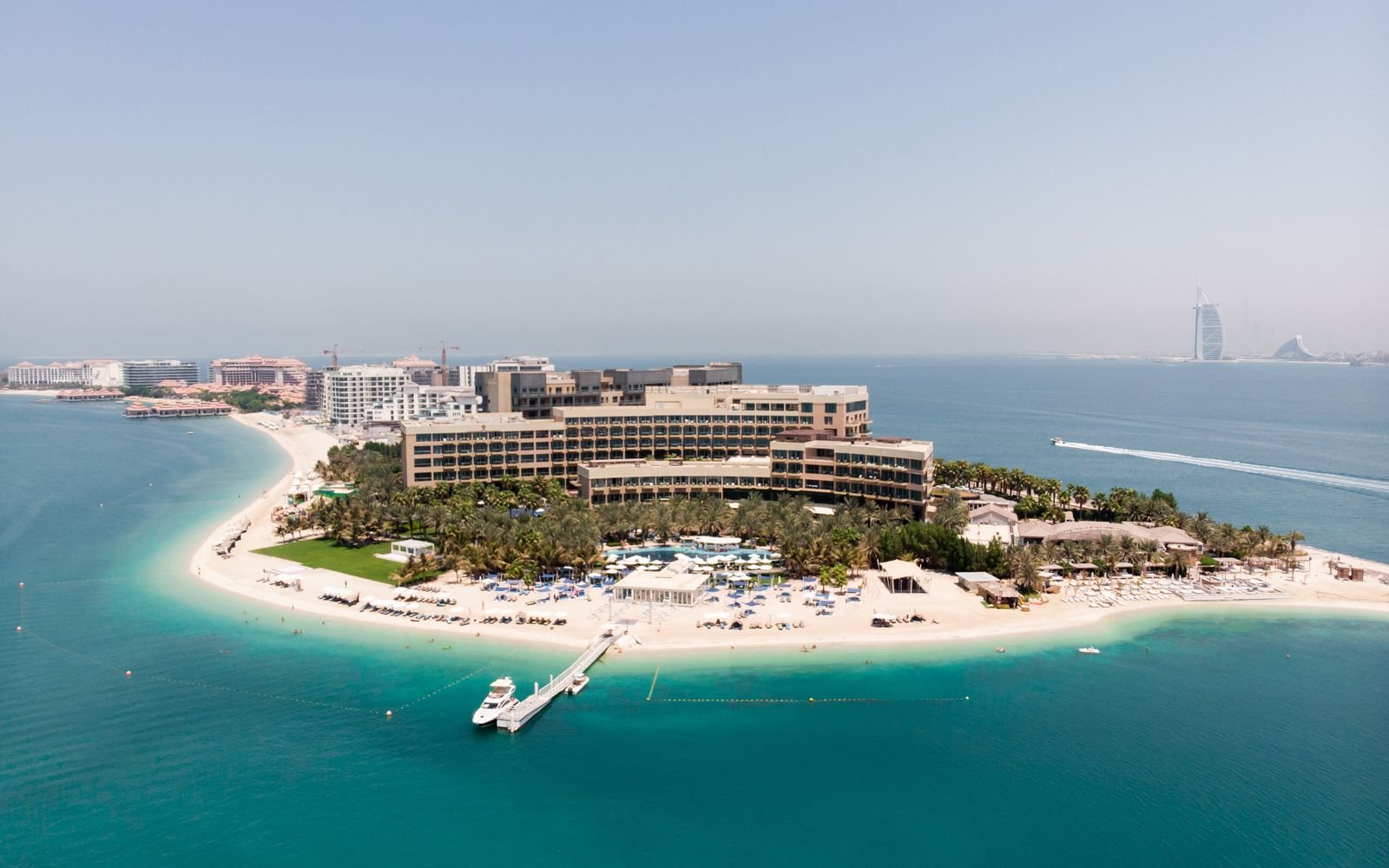
Dubai Islands attracts attention because it combines a large waterfront master plan with proximity to Dubai’s established northern districts. For buyers, the appeal is understandable: beaches, resort amenities and new homes in a destination being developed over time. The difficult question is whether a particular property offers enough value to compensate for its delivery and ownership risks.
A Dubai Islands off-plan purchase should therefore be assessed at three levels: the wider destination, the specific development and the individual unit. A strong answer at one level does not resolve the others. This guide separates the published master-plan vision from the evidence a buyer should collect before signing.
Understand what the master plan actually promises
Nakheel’s Dubai Islands overview describes five islands and a destination with more than 60 kilometres of waterfront and more than 20 kilometres of beaches. It presents a mix of residential, hospitality, leisure and other amenities. These are destination-level statements, not a specification for every apartment.
The five named islands are Central, Marina, Shore, Golf and Elite. Their roles and development settings should be examined separately. Buying within the broader destination does not mean every home has the same beach access, view, amenity completion or daily convenience.
Treat a master-plan image as a starting point for questions. Ask which elements already operate, which are under construction and which remain planned. Request written evidence for any amenity that materially influences your decision, particularly when its delivery lies outside your own project’s boundaries or contractual obligations.
Check the exact location and access rights
Waterfront, sea view and direct beach access describe different things. A property may face water without having a practical route to a swimming beach. A balcony view may depend on the floor, orientation and future buildings. Walk or inspect the actual surrounding area wherever access is possible.
Ask whether the advertised beach is public, privately managed or part of another operator’s facilities. Establish what residents can use, whether fees or membership terms apply, and how access is documented. A nearby resort does not automatically make its facilities part of your ownership package.
For an off-plan unit, compare the site plan, floor plan and sale agreement. Look at service areas, parking ramps, road frontages and adjacent plots, not just the main view. A less glamorous practical detail can have more influence on everyday living than an impressive aerial rendering.
Evaluate connectivity without assuming completion
RTA’s Dubai Islands bridge project information describes a 1,425-metre bridge with four lanes in each direction and a pedestrian and cycling track. That supports the case for planned connectivity investment, but it does not by itself confirm the road is open for your journey today.
An RTA announcement from 2023 stated a 2026 completion target. A target is different from a verified opening. Before relying on any new connection, check an up-to-date operational announcement or the route on the ground.
Test access to your actual workplace, preferred school and airport route at relevant times. Avoid treating a developer’s ideal journey estimate as a guarantee. A destination can be geographically close to an established district while still requiring a particular bridge, junction or construction detour.
Review the project independently of the destination
The master developer’s reputation does not replace diligence on the entity selling your unit. Identify the developer, registered project, plot, unit and contractual seller. Confirm that sales representatives and payment instructions correspond to the documentation rather than relying on a marketing brand alone.
The DLD Project Status Enquiry provides a route to investigate registered project information, including available progress and escrow details. Search the exact project name or number and check when information was updated. A general search for Dubai Islands is insufficient for a unit-level purchase.
DLD’s off-plan and escrow guidance explains the role of project escrow accounts and construction-progress information. Confirm the authorised account before payment. Escrow is an important regulatory structure, but it should not be interpreted as a guarantee of an exact completion date or investment return.
Read the contract as a cash-flow plan
Map every payment against your own funds. Note the booking amount, construction instalments, completion payment and any post-handover obligations. A small initial amount can conceal a large later commitment. Do not assume a future mortgage will cover the balance without considering eligibility and valuation at that time.
| Purchase issue | Evidence to request |
|---|---|
| Unit identity | Registered project details, unit plan and area basis |
| Payment destination | Confirmed project escrow instructions |
| Handover | Contractual date, permitted extensions and remedies |
| Specification | Written finishes, equipment and amenity commitments |
| Resale | Assignment conditions, consent process and fees |
| Ownership expenses | Service-charge estimate and responsibility for extras |
Read what happens if either side fails to meet obligations. Discuss delay provisions, cancellation terms, changes to specifications and dispute procedures with an appropriate legal adviser. A sales summary is not a substitute for understanding the agreement you will sign.
Build an operating-cost and rental case
Do not translate beach proximity into an assumed rental yield. Begin with a realistic tenant profile: a permanent resident, relocating family or short-stay guest has different priorities. The unit’s size, parking, furniture, access and operational facilities determine how well it meets that demand.
Use conservative assumptions for rent, vacancy, management, maintenance, insurance and service charges. If a building is not operating, distinguish a developer estimate from an established annual budget. Ask whether any branded services, beach facilities or shared resort elements create additional charges.
Short-term letting requires its own regulatory and operational review. Do not assume every unit can be used as a holiday home or that hotel demand transfers directly into an individual apartment’s bookings. An investment case should work under its intended lawful use and with realistic staffing, cleaning and replacement costs.
Compare the alternatives and your exit
Compare the total commitment with other waterfront options and established homes that meet the same lifestyle needs. An off-plan price can look attractive until furnishing, financing during construction and future ownership costs are included. Conversely, some buyers willingly accept delivery uncertainty for a specific layout or location unavailable in completed stock.
Consider what you would do if you needed to sell before handover. Assignment may depend on contract conditions, payment thresholds and developer consent. Verify those terms rather than assuming that another buyer will take over your instalments whenever you choose.
For a longer holding period, ask what would make the unit attractive after the initial launch campaign ends. A functional floor plan, sustainable running costs and genuinely usable amenities matter when buyers can compare completed homes. The purchase should have a clear purpose beyond participation in a fashionable destination.
If a Dubai Islands purchase fits your timeline, compare current property options with ready alternatives as well as new launches. Our Dubai buying guide explains the ownership and registration checks that apply beyond the master-plan presentation.
Frequently asked questions
How many islands are in Dubai Islands?
Nakheel describes a five-island destination: Central, Marina, Shore, Golf and Elite. Investigate the specific island and plot because the broader master plan does not mean every location offers equivalent facilities, beach access or development progress.
Are all the planned beaches and facilities already open?
Do not assume that. The destination overview describes the wider vision. Check the operational status and access conditions of the particular beach, road or facility you expect to use, and separate current amenities from future plans in your assessment.
Does a Dubai Islands apartment guarantee a sea view?
No destination-wide claim establishes a particular unit’s view. Examine orientation, floor, nearby plots and the contractual description. Ask how future development could affect the outlook, and avoid paying a premium based only on an illustrative image.
Is off-plan property on Dubai Islands a guaranteed investment?
No. Delivery, price, financing, running costs and future demand all affect outcomes. Project registration and escrow checks are important, but they do not eliminate commercial risk or guarantee appreciation. Assess your unit and cash commitments independently.
What should I send an adviser before comparing projects?
Share your total budget, intended use, preferred holding period and payment capacity. Include any project brochures, proposed unit plans and payment schedules already received. Those details allow a more useful comparison than asking which launch is universally best.
Buy the property, not only the master-plan image
Dubai Islands offers a substantial waterfront proposition. The purchase decision becomes stronger when the exact home, access, contract and costs support it. Contact Nova Domus to discuss suitable opportunities and assemble a focused comparison based on your objectives and tolerance for off-plan risk.