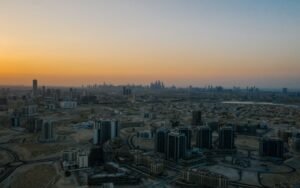

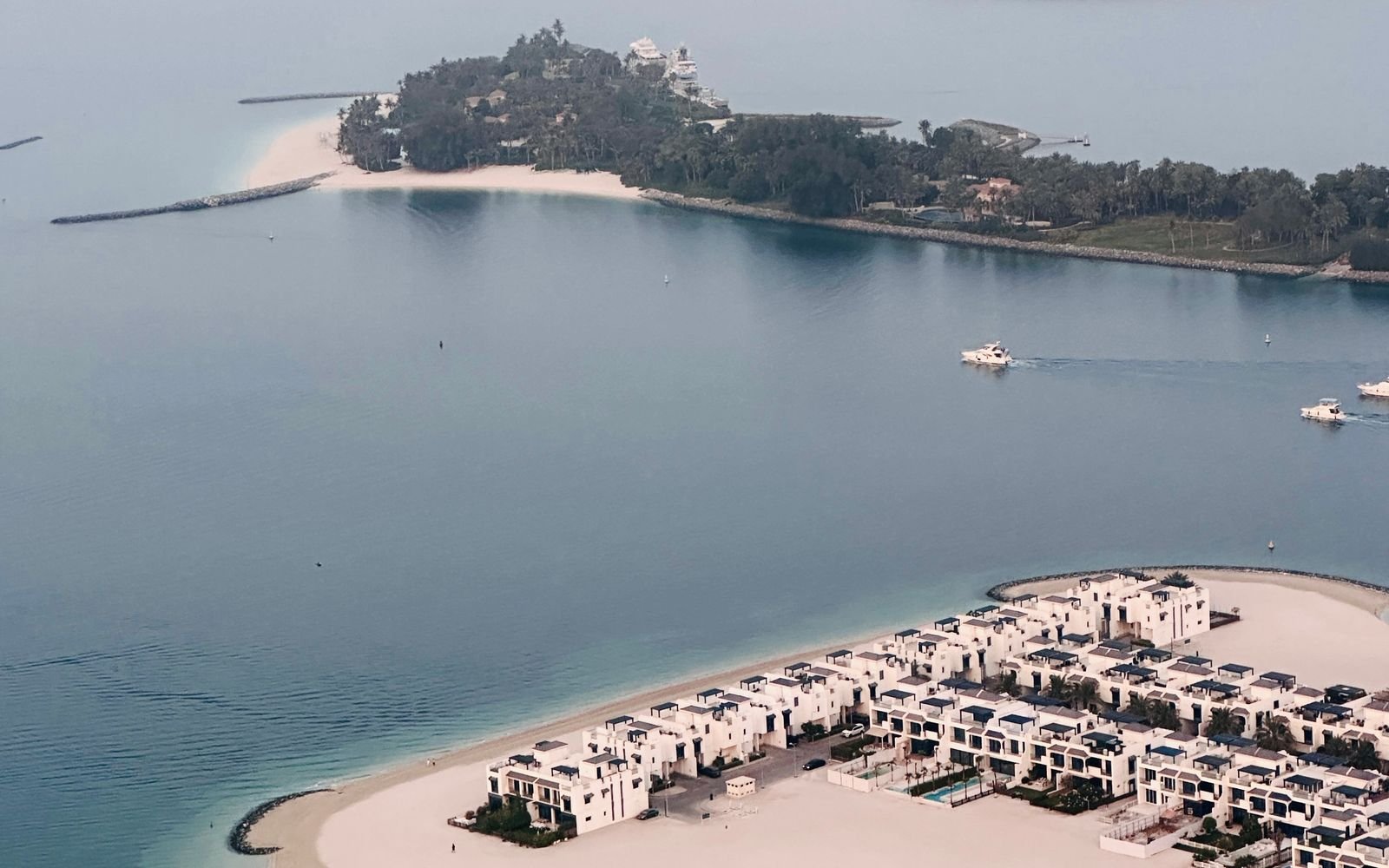
A home’s location is more than a pin on a map. It determines the time spent commuting, the ease of reaching schools and healthcare, and whether daily life involves a pleasant walk or another car journey. Those questions connect property buying with the purpose of World Habitat Day.
UN-Habitat marked World Habitat Day on 5 October 2026, with the theme Adequate Housing for All. For Dubai buyers, the occasion offers a useful lens on the city’s long-term planning: choose a home for the quality and practicality of the surrounding place, as well as the apartment or villa itself.
What the Dubai 2040 plan is designed to do
Dubai Municipality describes the 2040 Urban Master Plan as a long-term strategic framework launched in 2021. Its goals include better use of infrastructure, healthier communities, more open space, improved accessibility and protection of environmental and cultural assets.
That makes it relevant to buyers considering how an area may develop over a long holding period. It provides a framework for thinking about connections between housing, employment, transport and public facilities. It is not a promise that a particular development will appreciate, or that every planned amenity will open by a seller’s suggested date.
Separate three things when reviewing a location: what already exists, what is formally committed and what remains an aspiration. Each can influence your decision, but they should carry different weight in the price you are prepared to pay.
Read the targets as citywide ambitions
The UAE government’s summary of the plan includes doubling green and recreational space, increasing land allocated to education and health facilities by 25%, and expanding public beach length by 400%. Nature reserves and rural natural areas are intended to account for 60% of the emirate’s area.
These are broad planning targets, not descriptions of what exists beside every new residential project. The 60% figure should not be interpreted as 60% of each neighbourhood becoming a park. Similarly, expanded beach access does not mean every coastal apartment will have unrestricted beach rights.
For a purchaser, the practical step is to ask how a specific target connects to the specific location. Which accessible park is open? What route reaches it? Who manages it? Are there separate membership costs? The value of an amenity depends on your ability to use it, not just its appearance on a master-plan image.
Transport access starts at the building entrance
A transport-led location can support a less car-dependent routine, but distance on a brochure is an incomplete measure. A station may appear close while the walking route involves an awkward road crossing, an unshaded detour or an entrance on the opposite side of the building.
Test the actual door-to-door journey. Include lifts, parking exits, pedestrian crossings and transfer time. If you expect to walk with children, push a pram or travel with limited mobility, assess the route under those conditions. Visit during the hours you will use it rather than relying on a quiet weekend inspection.
Future infrastructure deserves a separate line in your assessment. Record the official project status and the authority announcing it. Do not pay as though a proposed connection is operational. If the property only works after that connection arrives, you are accepting a delivery dependency that should be reflected in your decision.
Green space matters when it works in daily life
A useful park has more than a green outline on the community map. Consider shade, paths, access, maintenance and the activities it supports. A small, accessible park may serve a family better than a much larger open space that requires driving and difficult parking.
Inspect the building’s own outdoor areas too. Look at seating, play areas and the route between the lobby and shared facilities. Ask which areas are private, which are public and whether residents face additional access conditions. For apartments overlooking future land parcels, investigate whether the current open view could change.
Environmental comfort also depends on the home itself. Orientation, glazing, shading and the condition of cooling systems influence comfort and operating costs. Ask for available consumption history and maintenance records, but do not assume a sustainability label guarantees low bills for every household or occupancy pattern.
Schools, healthcare and services make communities usable
The plan’s emphasis on facilities is particularly relevant to families and longer-term residents. However, an allocated school site is different from an operating school with suitable year groups and available places. Likewise, a healthcare plot does not establish that your preferred specialist or insurer will be served there.
Build a practical map around your household. Include groceries, pharmacy access, medical care, childcare and the activities you use regularly. Then test whether those destinations can be reached comfortably at the relevant times. A home can be spacious and attractive while imposing a difficult weekly routine.
For investors, this analysis helps identify the likely tenant rather than assuming every unit appeals to everyone. A family-sized apartment benefits from different surrounding services than a compact home aimed at a single professional. The more precisely the property fits a genuine use case, the easier it is to evaluate its strengths and limitations.
Turn the master plan into a buying checklist
Use the following questions to translate strategic planning into property-level evidence:
| Planning theme | Evidence to obtain before buying |
|---|---|
| Connected communities | Actual routes and travel times to daily destinations |
| Green and recreational space | Open facilities, access rights and maintenance condition |
| Education and healthcare | Operating providers, practical access and availability |
| Long-term development | Official status of nearby projects and vacant plots |
| Sustainable ownership | Unit condition, cooling arrangements and running costs |
For an emerging community, ask how residents manage daily life before the full master plan is delivered. Shops, roads and services can arrive in phases. The early purchase price should be assessed alongside the inconvenience and uncertainty of that interim period.
For an established area, look beyond the reassurance of existing amenities. Building condition, management and refurbishment needs remain important. Check approved common charges through the DLD Service Charge Index and review actual invoices. Well-used shared facilities still require funding and maintenance.
Compare at least two plausible locations using the same criteria. Give each household member a chance to identify a non-negotiable requirement. A structured comparison often reveals that a smaller home in a more workable location offers greater everyday value than a larger unit dependent on several future improvements.
Avoid paying twice for the same future story
An asking price may already include a premium for expected infrastructure or a new amenity. If you also assume substantial future appreciation because of that same project, you risk counting the benefit twice in your investment case.
Look for comparable transactions that distinguish operational advantages from anticipated ones. Consider what happens if the amenity is delayed, changes scope or serves more competing homes than expected. These are scenario questions, not predictions that development will fail.
The same discipline applies when a development uses the language of the citywide plan in its marketing. Alignment with a broad vision does not establish an individual project’s price, quality or completion date. The purchase agreement, verified project records and physical inspection remain central to your decision.
When reviewing Dubai properties for sale, distinguish amenities you can use today from planned improvements. Our guide for overseas buyers covers the ownership checks that remain necessary whichever community you choose.
Frequently asked questions
When was World Habitat Day 2026?
UN-Habitat marked it on Monday, 5 October 2026, under the theme Adequate Housing for All. The global observance took place in Muscat. The day encourages attention to housing and the quality of urban life.
Does Dubai 2040 identify the best property to buy?
No. It provides strategic direction for urban development. A sound purchase still requires property-specific checks on price, condition, ownership, operating costs and suitability. The plan is context for judgement, not an investment ranking.
Does the 60% nature target mean every area will be mostly green?
No. The target concerns nature reserves and rural natural areas across the emirate. It does not prescribe that percentage of greenery for each residential neighbourhood. Verify the actual parks and accessible open spaces around the property.
Should I pay more for a future transport link?
Only after considering its confirmed status, expected usefulness and the premium already included in the price. Test whether the home works with today’s transport options. A purchase dependent on future infrastructure carries additional timing uncertainty.
Is an established community always the safer choice?
It offers more visible evidence of daily life, but individual buildings can still have maintenance or management problems. Emerging communities may suit some buyers if the delivery risks and interim limitations are understood. Compare evidence rather than relying on the label.
Conclusion: buy a home within a functioning place
Dubai’s 2040 vision encourages buyers to look beyond finishes and floor area. Connectivity, access to services and usable public space all deserve a place in the decision, alongside the price and the property itself.
Contact Nova Domus for a shortlist shaped around your actual routine, budget and ownership plans. We can help compare what communities offer today and which future improvements still require verification.