

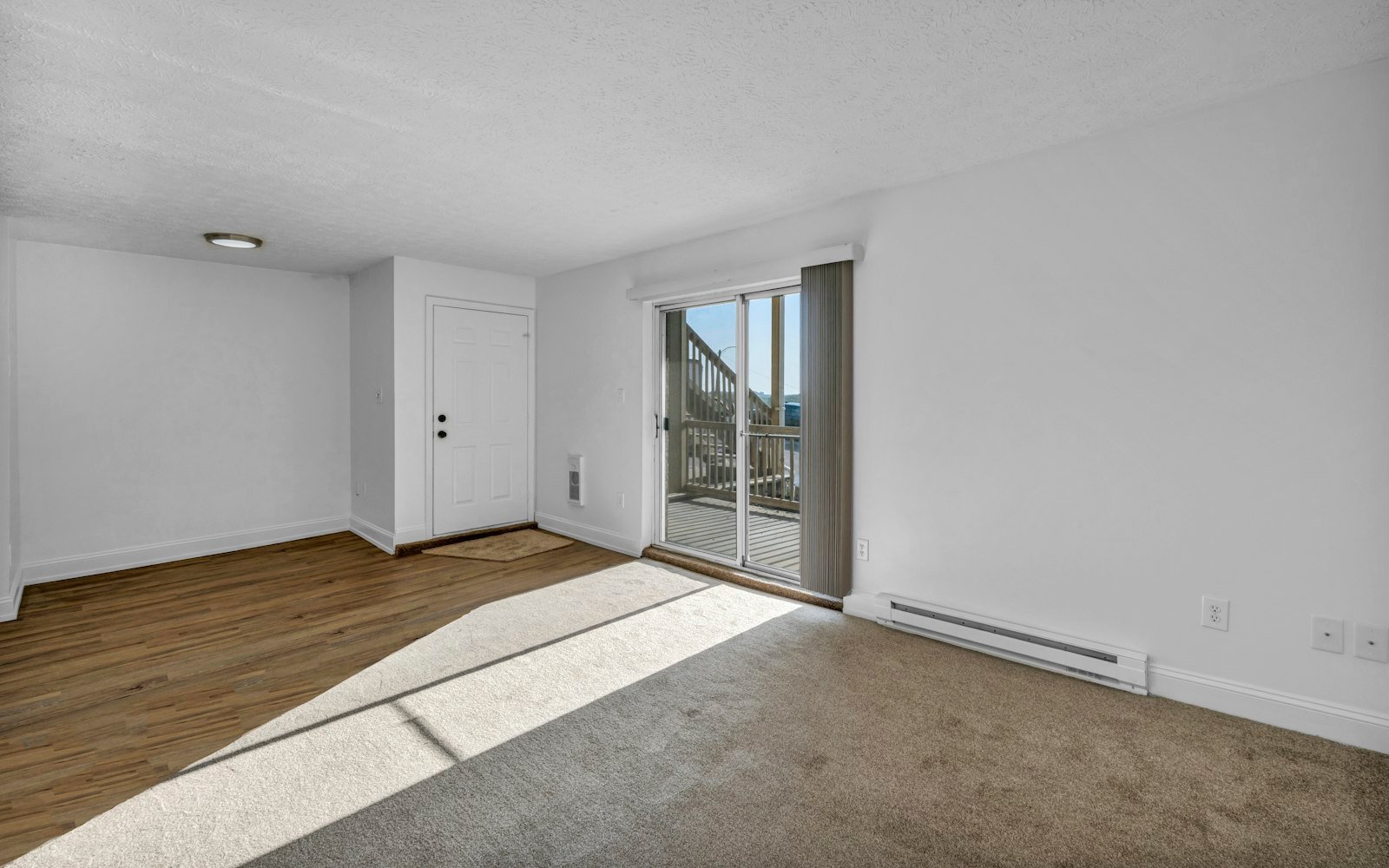
After years of instalments and construction updates, the handover notice arrives. It is an exciting moment and a busy one. Within a short period you may need to pay a large final instalment, arrange a mortgage drawdown, inspect the property in detail, open utility accounts and prepare to move in or find a tenant.
Handled carefully, handover is the point at which you confirm that what you paid for is what you received. Handled in a rush, defects can be accepted without record and payments made before problems are understood. This guide sets out each stage and what to prepare.
The completion and handover notice
When the building is complete and the necessary approvals are in place, the developer issues a notice inviting buyers to complete. Bayut’s handover guide, updated 15 October 2026, describes the notice as setting out the proposed date, outstanding payments, inspection arrangements, required documents and key-collection steps.
Read it carefully against your sale agreement. Check the final amount due, any charges added at handover and the deadline for payment. If the figures differ from your expectations, ask for a written statement of account before paying.
Funding the final payment
Many payment plans leave a significant balance for handover, sometimes 40% or 50% of the price. If you are paying in cash, ensure the funds are in place and can be transferred to the correct account in time. If you are using a mortgage, start the application well before the notice.
The bank will value the completed unit. If the valuation is below the price, the loan may be smaller than expected and you will need to fund the difference. The Central Bank’s mortgage regulations set maximum lending ratios, and banks may lend less on newly completed homes. Keep a buffer.
Late payment can trigger penalties under the sale agreement. If you anticipate a delay, talk to the developer early and get any agreed extension in writing.
Snagging: inspect before you accept
Snagging means inspecting the property for defects and incomplete work before accepting it. Bayut’s guide lists the main areas: air conditioning, water pressure, drainage, electrical points, doors, windows, waterproofing, finishes, parking and storage.
Test everything. Run every tap and shower, flush every toilet, switch on every light and socket, operate the air conditioning in each room and check that doors and windows close and seal. Look for cracks, uneven tiles, paint defects, stains and gaps around fittings. Photograph and list each issue with its location.
Many buyers hire a professional snagging company, particularly for larger homes or when they live abroad. Inspectors use moisture meters, thermal cameras and checklists to find issues an untrained eye may miss. The fee is typically small relative to the cost of repairing hidden problems later.
Submit the snag list through the developer’s process and agree a timeline for repairs. Ask for confirmation in writing that listed items will be fixed, whether before or after you take the keys.
Your defect warranties under Dubai law
Dubai law provides warranties that continue after handover. Under Article 40 of Law No. 6 of 2019 on jointly owned property, as summarised in Bayut’s guide, developers are liable for structural defects for ten years from the date of the completion certificate and for defects in installations, such as mechanical, electrical, plumbing and sewerage works, for one year from handover.
Your sale agreement may add contractual warranties. Keep the snag list, photographs and correspondence, because they help if a defect appears later. Report new issues in writing promptly, particularly during the first year.
Handover costs to budget
Beyond the final instalment, several costs arise at handover. Bayut lists a refundable DEWA security deposit of AED 2,000 for an apartment and AED 4,000 for a villa, with small-meter activation charges. Service charges usually become payable from handover, often in advance. District cooling accounts, building access cards and move-in deposits may apply depending on the building.
The following example is hypothetical, for an AED 2 million apartment with 40% due at handover.
| Handover item | Illustrative amount |
|---|---|
| Final instalment, 40% | AED 800,000 |
| DEWA deposit and activation | AED 2,155 |
| Service charges, first period in advance | AED 9,000 |
| Professional snagging inspection, assumed | AED 2,000 |
| Title issuance and related fees, assumed | AED 500 |
| Move-in deposit and access cards, assumed | AED 2,000 |
| Total cash required | AED 815,655 |
If a mortgage covers part of the final payment, mortgage registration at 0.25% of the loan and the bank’s own fees are added. Ask the developer for an itemised handover statement so nothing is missed.
If handover is delayed
Construction delays happen. Your sale agreement sets out the anticipated completion date, any grace period and what happens if the developer exceeds it. Read these provisions as soon as a delay looks likely, rather than after the original date has passed.
Keep track of official progress through DLD’s project status service and the developer’s updates. If your plans depend on handover, such as a tenancy ending or a mortgage offer expiring, build contingency arrangements early.
A delay can also affect financing. Mortgage approvals and valuations have expiry dates, so a later handover may require a fresh application. Keep your lender informed and confirm what documents will be needed when the new date arrives.
From Oqood to title deed
During construction, your purchase is recorded on DLD’s interim register through Oqood, as described on DLD’s initial-sale page. Once the project and unit are registered as completed, the registration is converted into a final title.
Bayut’s guide describes the conversion as completed online through the Oqood portal, with the output emailed after processing. You may need to provide documents or settle amounts first. When you receive the title, verify it through DLD’s title-deed verification service and keep it with your sale agreement, Oqood certificate, receipts and snag records.
Preparing to move in or let
Owner-occupiers should arrange utilities, internet, insurance and furniture delivery, and register with building management. Investors should prepare the unit for tenants or guests, appoint a manager if needed and register any lease through Ejari. If you plan short-term letting, obtain the holiday-home permit before accepting bookings.
Many buildings experience a busy period after handover, with lifts booked for moves and contractors finishing common areas. Allow extra time for deliveries and fit-out.
If you are planning your next purchase, browse Nova Domus properties. Our guide to transferring an off-plan contract covers the alternative of exiting before completion, and the foreign-buyer guide explains the wider process.
Frequently asked questions
Can I refuse handover if there are defects?
Minor defects are normally recorded on a snag list and repaired after handover. Significant issues that prevent proper use should be raised with the developer in writing. Take advice before refusing possession, because the agreement and law set out the consequences.
How long is the developer warranty in Dubai?
Under Law No. 6 of 2019, developers are liable for structural defects for ten years from the completion certificate and for installation defects for one year from handover. Your contract may add further warranties.
When do I start paying service charges?
Usually from handover. Check the handover statement for any period charged in advance and the approved rate on the DLD Service Charge Index once the building’s budget is approved.
Do I need a professional snagging company?
It is not mandatory, but many buyers use one, especially for large homes or when living abroad. Professionals can find issues that are hard to spot without equipment.
How do I get my title deed after handover?
Your Oqood registration is converted to a final title once the unit is registered as complete. The process is handled online, and you can verify the title through DLD afterwards.
Conclusion: inspect, document, then celebrate
A good handover combines funded payments, a thorough inspection, written records of defects and a verified title. Those steps protect your investment for years after the keys are in your hand.
Contact Nova Domus if you are approaching handover and want help planning the steps, or if you are ready to let or sell your new property.